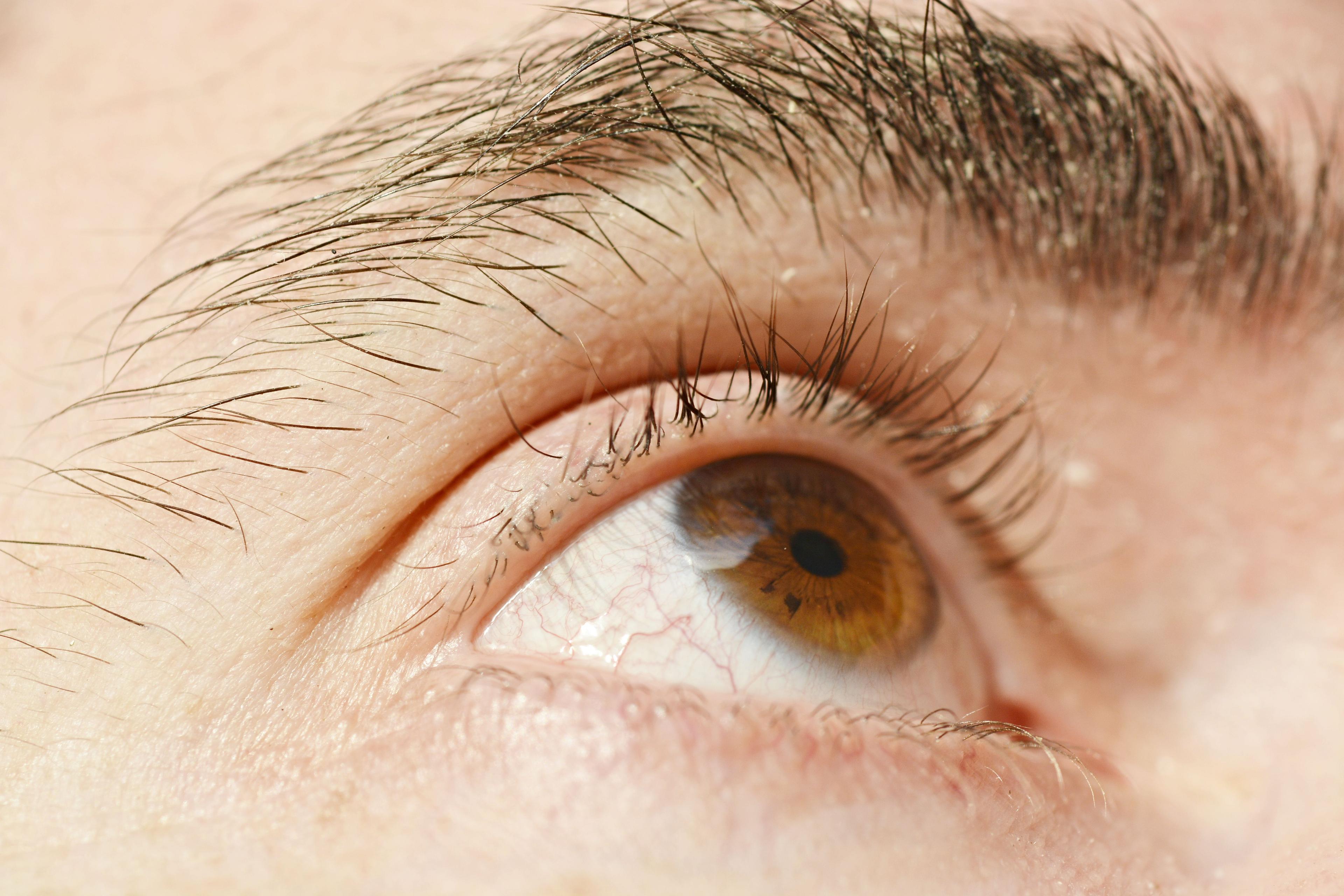
November is Diabetes Awareness Month, and it is a good time to talk about something many people with diabetes put off: a yearly dilated eye exam.
Diabetes can damage the small blood vessels in the back of the eye, often before you notice any change in your vision. Catching those changes early gives you the best chance to protect your sight. Here is what to know, and how eye&I Optometry in Bayside and Great Neck can help.
How Does Diabetes Affect the Eyes?
Over time, high blood sugar can damage the tiny blood vessels in the retina, the light-sensing layer at the back of the eye. This is called diabetic retinopathy, and it is a leading cause of vision loss in working-age adults.
Diabetes also raises the risk of:
- Diabetic macular edema, swelling in the part of the retina used for sharp, central vision
- Cataracts at a younger age
- Glaucoma
Blood sugar swings can also blur your vision for a while, which is why your glasses prescription may seem to change from week to week.
Why Can't I Rely on How My Vision Feels?
In the early stages, diabetic retinopathy usually has no symptoms. Your vision can feel normal while changes are already happening. By the time you notice blurry vision, floaters, or dark spots, the disease may be more advanced.
That is why a dilated exam matters. It lets your optometrist see the retina directly.
How Often Should I Have an Eye Exam?
Most people with diabetes should have a dilated eye exam at least once a year, or more often if your eye doctor recommends it. If you have diabetes and are pregnant, you may need more frequent checks. The National Eye Institute has more on diabetic retinopathy.
What Happens During a Diabetic Eye Exam?
A diabetic eye exam is part of a comprehensive adult eye exam. It usually includes:
- A vision and prescription check
- Eye pressure measurement to screen for glaucoma
- Dilating drops so we can see the full retina
- A careful look at the blood vessels, the macula, and the optic nerve
- A conversation about your blood sugar, blood pressure, and any changes you have noticed
Dilation can make your vision blurry and light-sensitive for a few hours, so bring sunglasses and consider having someone drive you home.
What If You Find Changes?
If we see signs of diabetic eye disease, we explain what we found and what it means. With your permission, we can share results with your primary care doctor or endocrinologist. If you need treatment, we refer you to a trusted retina specialist and stay involved in your eye care.
How Can I Protect My Eyes?
- Keep your yearly dilated eye exam, even if your vision seems fine
- Work with your doctor to keep blood sugar, blood pressure, and cholesterol in your target range
- Do not smoke
- Call us right away if you notice sudden blurry vision, new floaters, flashes of light, or a dark curtain in your vision
Our guide to eye emergencies explains what is urgent and where to go.
Does Insurance Cover a Diabetic Eye Exam?
Diabetic eye exams are often billed to medical insurance rather than vision insurance. Our front desk team can help you check your benefits before your visit.
Schedule Your Diabetic Eye Exam in Bayside or Great Neck
Dr. Crystal Han, O.D., Dr. Kevin Leung, O.D., and Dr. Ethan Kim, O.D. provide dilated diabetic eye exams at both of our offices.
Book online at rethinkeye.com or call the Bayside office at (718) 279-2020 or the Great Neck office at (516) 344-5662.
This article is for general information and is not medical advice. Talk with your eye doctor and your physician about your own care.